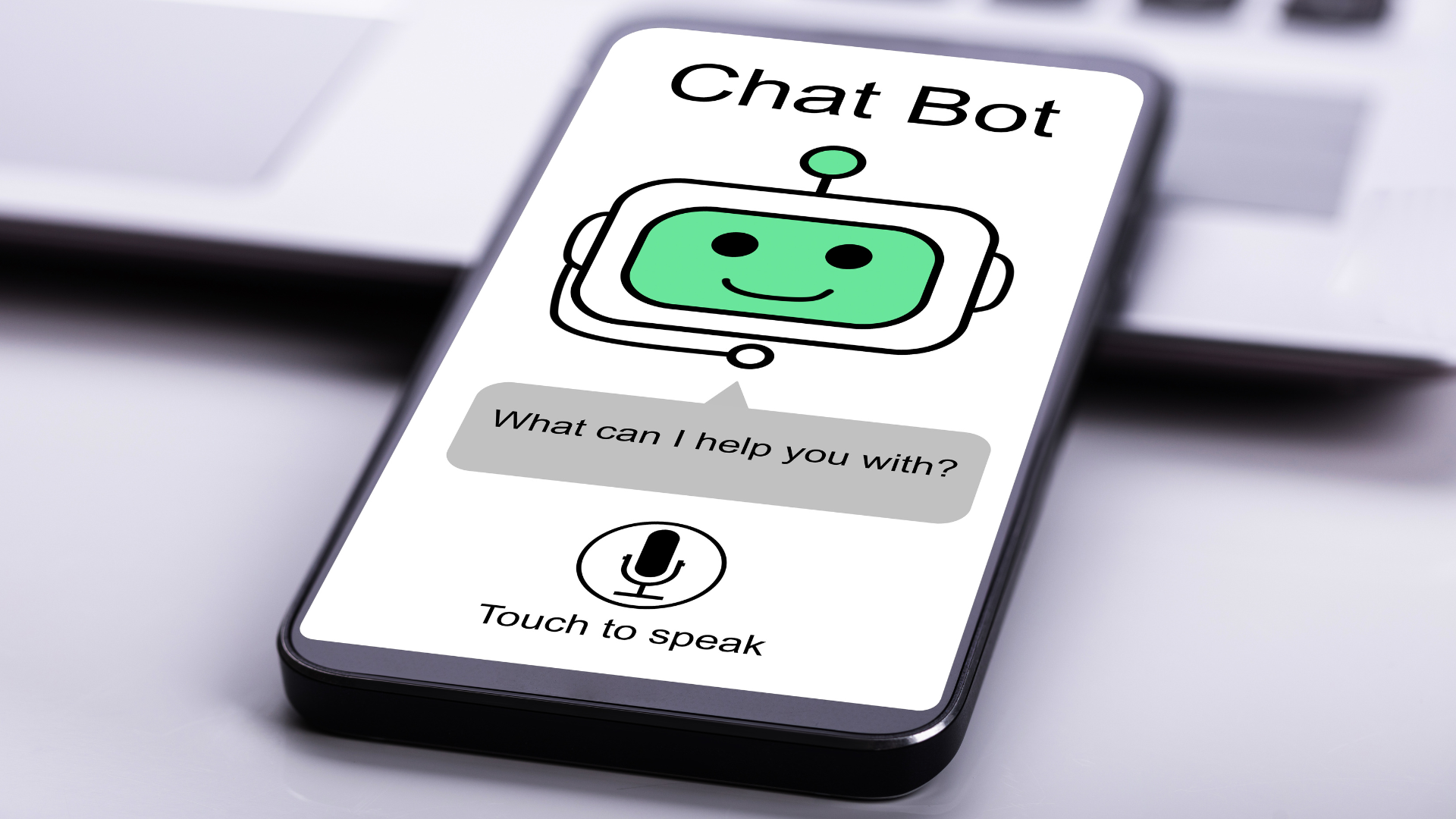
We design, build, and test AI agents that take repetitive work off your team's plate; so people spend less time on busywork and more time on the work only a person can do.

We don't hand a new coworker the keys on day one — we make them prove it first.
Would you let a new coworker email your entire client list on their first afternoon, no onboarding, no check-in, just "good luck"? Us neither. Before any AI coworker of yours places a real order or updates a single real record, we run it through a gauntlet of test scenarios — the normal stuff, the weird stuff, and the stuff someone's definitely going to try just to see what happens. A pet daycare wanted an AI coworker doing purchasing research: watching for price updates across several vendors and recommending where to reorder. Sounds simple, until you account for the vendor whose unit price is the lowest right up until shipping gets added — cheapest per case, dearest per delivery. We tested for that. We tested for a lot of that. By the time it went live, it wasn't guessing — it knew exactly what to do, and exactly when to loop in a human instead of winging it. Once it could tell a real saving from a headline one, it was saving them about 8 hours a week and cutting inventory costs by 10–20%. Then we kept watching it, because "tested once" and "trustworthy forever" are two different promises. You wouldn't stop keeping an eye on a new coworker after their first good day, and we don't either.
Somebody has to copy that data from one system to another. It doesn't have to be somebody who hates their job a little more each time.
Every business has a task that makes people visibly deflate when it lands in their inbox. For an HVAC company in Rockville, it was re-typing job details from the phone system into the scheduling software, then again into QuickBooks, three times a day, every day, forever. Nobody was hired to do that — it just sort of became someone's problem, and that someone was slowly losing the will to live one copy-paste at a time. An AI coworker doesn't sigh. It doesn't put it off until Friday. It doesn't need the task explained twice because it was thinking about lunch. We took that exact workflow, built an AI coworker to own it end to end, and the dispatcher who used to spend two hours a day on data entry now spends that time actually dispatching — which, funnily enough, was the job description all along. The repetitive stuff isn't glamorous, but somebody's got to do it, and there's no reason that somebody has to be a person who'd rather be doing literally anything else.
More customers usually means more hiring, more onboarding, and more "wait, who trained him." Or it doesn't.
Growth is supposed to be the good problem. It doesn't always feel that way at 9pm when a landscaping company in Loudoun County is fielding forty quote requests a day during spring rush and the office manager is one more "just circling back" email from losing it. The usual fix is to hire, but hiring takes weeks, training takes longer, and by the time the new person's up to speed, the rush might be over. An AI coworker scales the moment you need it to — it can field the tenth inquiry of the morning exactly as well as the hundredth, without a training period, a desk, or a "so how was your weekend" small talk tax on your calendar. That landscaping company now has an AI coworker doing first-pass quote requests and qualifying leads before a human ever gets involved, so their team only spends time on the customers who are actually ready to book. You still get to hire great people when you need them — you just don't have to hire your way out of every busy Tuesday.
Your customers don't stop needing things at 6pm. Your AI coworker doesn't stop working then either.
A plumbing company in Arlington used to lose jobs to whoever answered the phone first — and at 11pm on a Saturday when a pipe bursts, "whoever answers first" was rarely them. Their team wasn't going to start taking shifts to cover the overnight, because that's how you burn out good people fast, and burned-out plumbers are worse for business than a missed call. So instead, an AI coworker took the night shift: answering emergency calls, gathering the details, and getting a real job booked on the calendar before the human team even woke up. No overtime pay, no bleary-eyed mistakes, no dreading the 2am ring. It doesn't need a vacation, it doesn't need Sundays off, and it will never, ever ask to leave early to beat the Beltway traffic. That's not a knock on your people — humans need rest, and they deserve it. It's just that some jobs are better suited to something that doesn't need sleep in the first place, so your actual team can use theirs.
Nobody went to school to become excellent at checking competitors' pricing pages. Let's find out what they'd rather be doing.
A pest control company in Bethesda was trying to keep tabs on what their competitors were charging, what services they'd added, and how they were pitching themselves — all by hand, whenever someone remembered to go looking. Which meant it happened sporadically, and usually right after they'd already lost a bid. We built an AI coworker to own competition research: it checks competitor sites and listings on a schedule, flags what actually changed, and puts a short summary in front of the owner instead of a browser full of tabs. That's really the whole idea behind AI Coworkers: it's not about replacing your team, it's about giving them back the hours that repetitive work was quietly stealing. Your best people are good at judgment calls, relationships, and the stuff that requires an actual human brain — let the AI handle the legwork, and let your team get back to being the reason customers come back.
Hover each card to see the real results DMV businesses have seen.
Insurance Agency — An AI agent handling routine claims intake freed up a full half-time role's worth of hours each week.
Property Management Firm — A dedicated leasing-inquiry agent now handles nine out of ten routine tenant questions without escalation.
Subscription Business — An AI coworker monitoring and responding to account issues runs around the clock, weekends included.
SaaS Company — Triage handled by an AI agent before human handoff cut average resolution time nearly in half.
We'd love to hear about your current challenges and goals.
Focus: One narrow, repetitive task handled by a single AI agent — the kind of work that's clearly defined but eats a few hours a week.
Key Features:
Ideal For: Teams new to AI agents who want to prove the concept on one real task before going further — the office manager who wants meeting follow-ups drafted automatically, or the small clinic that wants appointment reminders handled without staff time.
*The scope is different for every project
* Pay a flat fee or per attendant. 0% Financing available through Affirm
Focus: Two to three AI agents working across related tasks, with a shared understanding of your tools and data.
Key Features:
Ideal For: Teams ready to hand off more than one task — the growing agency juggling client intake, scheduling, and follow-up emails across several tools.
*The scope is different for every project
* Pay a flat fee or per attendant. 0% Financing available through Affirm
Focus: A small team of AI agents handling a full workflow end-to-end, with ongoing tuning as your business changes.
Key Features:
Ideal For: Businesses that have already automated the obvious tasks and want a coordinated set of agents handling a real workflow from start to finish.
*The scope is different for every project
* Pay a flat fee or per attendant. 0% Financing available through Affirm
As your business evolves, your systems should too. We offer continued support, optimization, and updates to keep everything running smoothly and aligned with your growth.
Our team can either guide your team through the implementation process or take on the heavy lifting of handling setup, automation builds, deployment, and system integrations; making the transition as smooth as possible. We listen closely to your team's feedback to ensure everything functions as intended.
We present a tailored plan based on your priorities, then refine it together to ensure every solution aligns with your goals, tools, and team. This collaborative step ensures clarity, confidence, and buy-in before implementation begins.
We visit your business (virtually or in person) to observe how work gets done, identify bottlenecks, and map out opportunities for automation. This hands-on insight allows us to design automation solutions that actually fit your team's rhythm and needs.
We begin by understanding what matters most to your business—whether it's saving time, improving customer experience, or boosting revenue. Clear goals help us design the right digital solutions from day one.
We'd love to hear about your current challenges and goals.
We offer reduced pricing and hands-on support for mission-driven organizations building their first AI agents — starting with the one task eating the most volunteer or staff time, and expanding only once it's proven itself.
If your business runs multiple locations, departments, or a larger team, our AI Coworker program scales to match — with agents deployed across departments, shared oversight dashboards, and a dedicated point of contact for ongoing tuning as your operations grow.
Focus: A small team of AI agents handling a full workflow end-to-end, with ongoing tuning as your business changes.
Key Features:
Ideal For: Businesses that have already automated the obvious tasks and want a coordinated set of agents handling a real workflow from start to finish.
Focus: Two to three AI agents working across related tasks, with a shared understanding of your tools and data.
Key Features:
Ideal For: Teams ready to hand off more than one task — the growing agency juggling client intake, scheduling, and follow-up emails across several tools.
Focus: One narrow, repetitive task handled by a single AI agent — the kind of work that's clearly defined but eats a few hours a week.
Key Features:
Ideal For: Teams new to AI agents who want to prove the concept on one real task before going further — the office manager who wants meeting follow-ups drafted automatically, or the small clinic that wants appointment reminders handled without staff time.